


Analysts say IMF’s advice won’t work for Jamaica
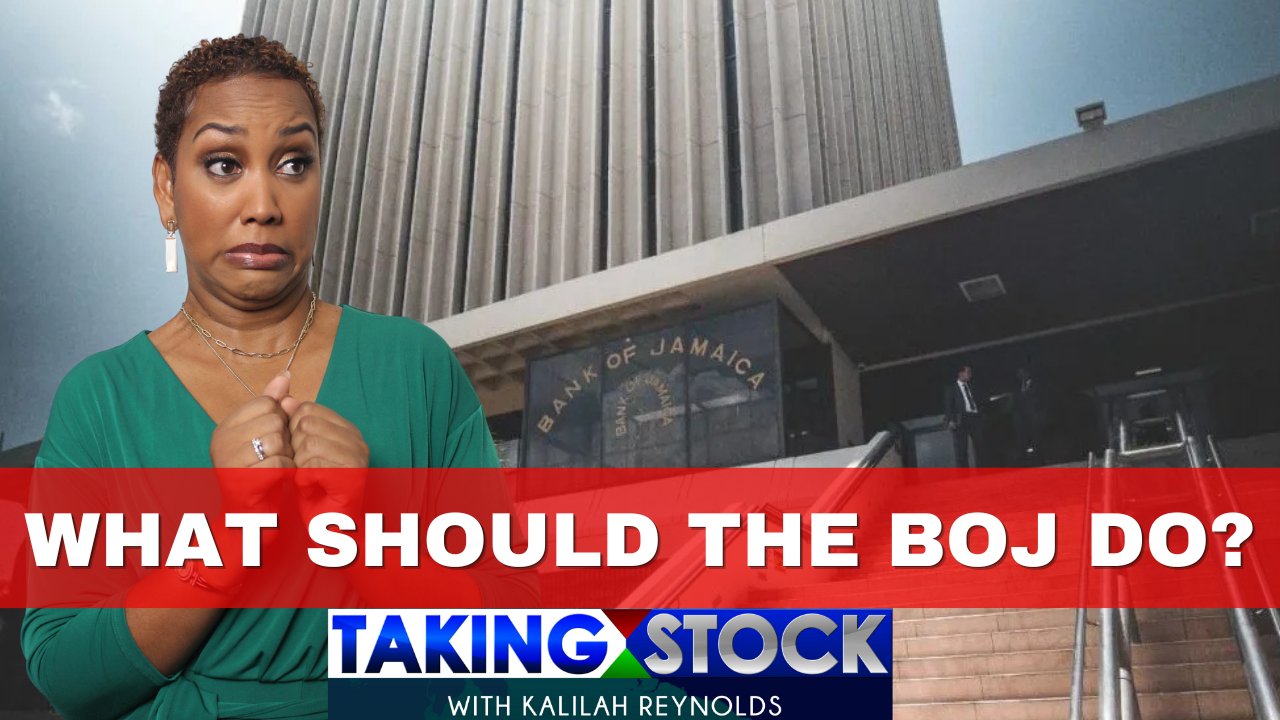
The analysts on Taking Stock with Kalilah Reynolds believe the International Monetary Fund (IMF) is out of touch when it comes to Jamaica’s economy. They say the IMF’s recommendation for the Bank of Jamaica (BOJ) to stop stepping into the foreign exchange market isn’t realistic for the country’s needs.
So far this year, the BOJ has stepped in 17 times and pumped almost US$400 million into the market.
In its most recent country report, the IMF said the central bank should stop doing that and let the Jamaican dollar float freely, allowing it to rise and fall on its own. But the analysts strongly disagree.
“They have preached this free market approach to many developing countries for decades,” Equity Trader at JMMB, Clive Charlton, said.
“But has it worked for us? Has it worked for Latin America? These are serious questions,” he noted.
He pointed out that the BOJ understands Jamaica better than anyone else.
“We know the psychology of the market,” he said.
“We have the data to support our approach. The Central Bank’s job is not just to open up the economy, but also to protect it.”
CEO of Wealth Watch JA Julian Morrison, agreed. He reminded viewers what happened the last time Jamaica followed the IMF’s advice in the 1990s.
“It created hyperinflation for us. The dollar went from 8 to 1, up to 24 to 1 in one year,” he said.
Morrison explained that Jamaica is a small, import-heavy country. Most of what Jamaicans use is brought in from abroad. If the dollar falls too much, prices go up and people suffer.
“We’re not like the US or other big countries,” he said.
“We’re tiny. We don’t produce oil. We import more than we export. Letting the dollar float freely could cause more harm than good.”
Both analysts agreed that while the BOJ’s actions might seem heavy, they are necessary. Jamaica is one of the few English-speaking Caribbean countries without a fixed or managed exchange rate. Barbados and Trinidad manage their currencies. Jamaica mostly lets the market decide but with some help when things get rough.
In short, the analysts believe the IMF’s advice doesn’t fit Jamaica. As Clive put it, “Just because a medicine works for one person doesn’t mean it will work for everyone.”










Leave A Comment