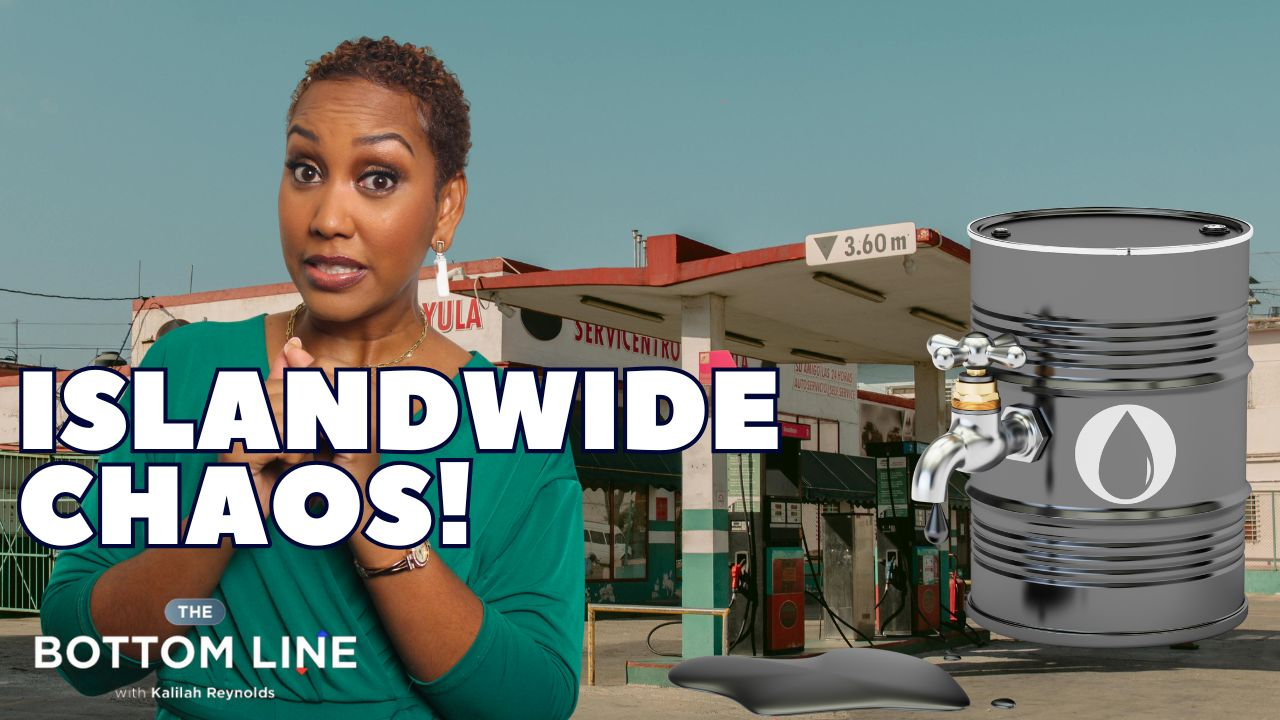
US/Iran Conflict Could Affect Caribbean Bills
March 4, 2026

Oil prices recently jumped due to the United States Iran conflict that's recently escalated. This could have both positive and negative effects for the Caribbean. Oil producing countries like Guyana and Trinidad and Tobago could see a boost from higher prices, while imports for all countries, especially those that need to import oil and fuel, could get a lot more expensive.
Read the complete text of this episode for easy reference and search.
Your transport costs, electricity bills and even food prices in the Caribbean may be about to cost way more if America’s war with Iran drags on.
So on Monday, March 1, global oil prices jumped sharply. Brent crude rose about 10 percent to trade near $80 a barrel. This, as conflict disrupted shipping through the Strait of Hormuz — one of the world’s most important oil routes.
According to Reuters, some analysts are warning that oil prices could climb toward $100 if disruptions persist. Here’s why this matters to us in the Caribbean. And it’s actually not all bad.
Countries like Guyana and Trinidad & Tobago could see short-term gains.
If oil and gas prices rise:
Guyana, which is now producing close to a million barrels per day, could see higher export revenue if prices stay elevated.
Meanwhile, higher energy prices can help ease foreign exchange pressure in Trinidad and Tobago, as well as boost government income.
But even exporters import food and manufactured goods — so higher global prices will still squeeze consumers in these countries.
Jamaica imports most of its fuel and energy.
So with higher oil prices, expect:
Also, shipping risk and war-risk insurance surcharges can push up the cost of EVERYTHING that moves by sea — and the Caribbean depends heavily on imports.
If the conflict de-escalates quickly, prices could ease.
But if it drags on:
So yes — some countries may benefit from higher energy prices.
But for many Caribbean households, the real risk is: Higher fuel. Higher light bills. Higher cost of living.
And that’s the bottom line.
March 4, 2026