


Global shocks continue to hit Jamaican businesses
Jamaican businesses are under mounting pressure as a string of global and local shocks continue to disrupt trade, costs and investor confidence, according to Equity Trader Clive Charlton.
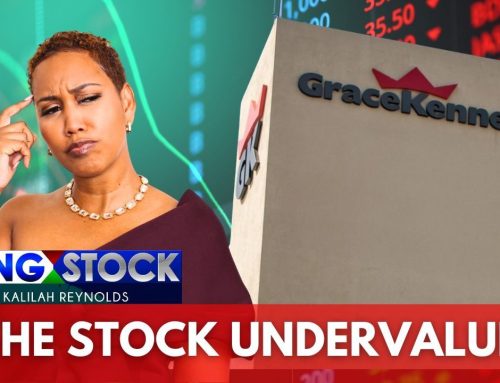
Speaking on Taking Stock with Kalilah Reynolds, Charlton said repeated crises, from the COVID-19 pandemic to geopolitical conflicts and hurricanes, have forced companies to rethink how they operate just to remain profitable.
“Significantly, significantly,” he said when asked how recent events have affected Jamaican businesses. “The whole world is more tied into each other than we believed.”
Charlton pointed to Jamaica’s heavy reliance on the United States as a major vulnerability, noting that trade, remittances and exports are closely linked to the US economy. At the same time, global conflicts such as the Russia-Ukraine war and tensions in the Middle East have pushed up the cost of key commodities like oil and gas, which ripple across multiple industries.
He warned that rising costs are unlikely to ease quickly.
“Prices are very sticky downward. Easy to go up but very sticky coming back down,” he said.
Tourism, financial services and retail are among the sectors feeling the impact. Charlton explained that disruptions such as hurricanes directly affect visitor arrivals, which in turn hit hotels, airports and related businesses. Financial institutions are also exposed through lending to these sectors, while reduced consumer spending adds further pressure.
In response, companies are increasingly pivoting, not just by finding new revenue streams but also by cutting costs and restructuring operations. Charlton highlighted examples of firms adjusting their cost base or exiting underperforming markets to stay afloat.
For investors, the shift is also clear. Charlton said equities are underperforming, while debt instruments and foreign currency holdings are gaining interest as people seek safer options.
He stressed that both businesses and investors must stay flexible as global uncertainty continues to reshape the economic landscape.








Leave A Comment