
New wave of consolidation, says TS Analyst
The planned sale of CIBC’s Caribbean operations to Bermuda-based Bank of N.T. Butterfield may be the clearest sign yet that Canadian banks are continuing to retreat from the region, according to Taking Stock analyst David Rose.
Speaking on Taking Stock, Rose described the transaction as the latest chapter in a years-long trend that has seen major Canadian financial institutions reduce their Caribbean exposure.
“This is basically the second major attempt in the last five years by CIBC, the Canadian Imperial Bank of Commerce, to in a sense reduce their exposure in the Caribbean,” Rose said.
The proposed transaction, valued at approximately US$1.8 billion, would see Butterfield acquire CIBC Caribbean through a combination of cash and shares. The deal includes roughly US$1.09 billion in cash, with the balance paid through newly issued Butterfield shares that would make CIBC one of the bank’s largest shareholders.
According to Rose, the move reflects broader strategic shifts among Canadian banks.
“CIBC has alongside other Canadian banks been seeking to reduce their carrying cost and their capital cost with respect to the Caribbean markets,” he said.
Part of a Larger Trend
The transaction follows similar moves by other Canadian financial institutions over the past several years.
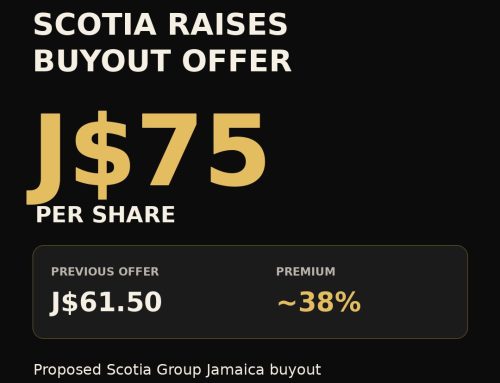
Rose pointed to Royal Bank of Canada’s exit from several Eastern Caribbean markets and Scotiabank’s sale of operations in multiple Caribbean territories to Republic Financial Holdings.
“We’ve been seeing the Canadian banks try to step away,” he said. “It’s just been a reduction in exposure to the Caribbean markets for the Canadian banks.”
While Canadian parent companies are seeking to reduce capital requirements and improve profitability, Rose believes the deal also highlights changing dynamics within Caribbean banking itself.
“What you’re seeing is greater market consolidation,” he said. “It’s getting a lot more expensive to operate in our domestic market.”
He noted that increasing regulatory requirements, higher compliance costs and evolving capital standards are making it more difficult for smaller financial institutions to compete independently.
What Changes for Customers?
For customers, Rose does not expect immediate changes to banking relationships.
According to disclosures surrounding the transaction, the CIBC Caribbean brand is expected to remain in place for a transitional period before eventually being replaced by the Butterfield brand.
“There wouldn’t be a change in the relationship with you as a customer,” Rose said. “What would change though is the branding and the potential strategy of the new majority owners.”
However, he believes the long-term strategic direction of the bank could shift.
Butterfield is best known for its presence in offshore financial centres such as Bermuda and the Cayman Islands, with a strong focus on wealth management and high-net-worth clients.
“The Bank of Butterfield has specialised in Cayman, Bermuda, offshore markets, specialising in high-net-worth and high-wealth clients,” Rose explained.
One key question, he said, is whether Jamaica will continue serving as the growth engine of the Caribbean business or whether Butterfield will use the acquisition to create stronger links between Caribbean clients and its offshore wealth management operations.
New Opportunities for Investors
Rose also highlighted a potentially overlooked aspect of the transaction.
Because Butterfield is listed on the New York Stock Exchange and the Bermuda Stock Exchange, shareholders of CIBC Caribbean could eventually gain access to NYSE-listed shares through the takeover process.
“If you’re someone that is buying on the Barbados or Trinidad stock exchange, it creates a backward linkage whereby you have the potential opportunity to get Butterfield shares and then transfer those shares to the New York Stock Exchange and sell there if you so please,” he said.
He added that the structure could be particularly attractive in markets such as Trinidad and Tobago, where foreign exchange access remains a challenge.
More Consolidation Ahead
Looking ahead, Rose expects consolidation across the Caribbean banking sector to continue.
“You’re going to see more consolidation in the Caribbean banking sector,” he said. “You’re probably going to see two or three major players in some of the Eastern Caribbean markets because of how small they are.”
He also warned that new regulatory requirements, including Basel III capital standards, could place additional pressure on smaller institutions and accelerate merger activity.
For Caribbean consumers, the immediate impact of the Butterfield transaction may be limited. But for the region’s banking industry, the deal may represent another step toward a more concentrated financial landscape dominated by fewer, larger players.







Leave A Comment