Is Jamaica’s Economic Map Changing?
August 5, 2026

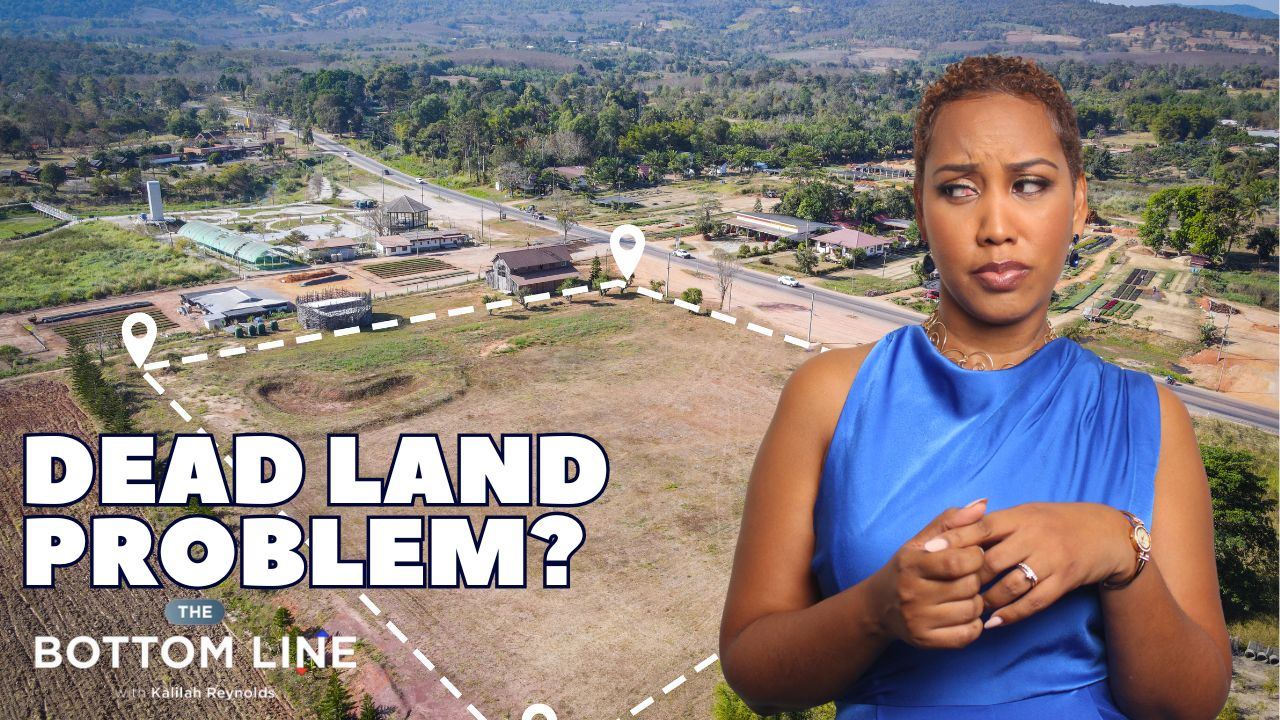
The expansion of the road networks in Jamaica could be the early signs of new investment opportunities and economic corridors. As access improves, opportunities like businesses, housing and other infrastructure follows. Where are you looking to next for opportunities?
Read the complete text of this episode for easy reference and search.
Whenever Government announces another highway, another bypass or another airport, most of us think about one thing. Traffic!
New roads make us think about getting to our destinations faster. But that’s probably the least interesting thing infrastructure does. Because roads don’t just move cars. They move opportunity.
I’ve learned that if you really want to understand where Jamaica’s economy is heading, don’t start by looking at house prices or even the stock market.
Follow the roads. Because wherever infrastructure goes, investment usually follows. Businesses follow. People follow. And eventually… Land values begin to change.
Infrastructure doesn’t simply improve connectivity. It changes accessibility. And that’s one of the strongest drivers of land value and effective demand.
So where is that opportunity beginning to emerge?
Take St. Thomas. The Southern Coastal Highway Improvement Project, together with the Morant Bay Urban Centre and other public investments, is doing more than reducing travel times.
It’s positioning eastern Jamaica as a more competitive place to live, work and invest.
Now shift your attention west. The Montego Bay Perimeter Road isn’t just about bypassing traffic.
It’s creating opportunities for development outside the traditional city centre as accessibility improves and congestion eases.
In Clarendon, plans for the Vernamfield International Airport could reshape the parish into a logistics and distribution hub.
Move further west and the story continues.
Plans to make Black River Jamaica’s newest city, alongside proposals for an international airport serving Westmoreland and Negril, could strengthen commercial activity, tourism and long-term residential demand across the southwest.
And don’t overlook St. Catherine. Between the Caymanas Special Economic Zone, Bernard Lodge and Greater Portmore, we’re watching an entirely new employment corridor take shape.
And here’s what many people miss. Markets don’t wait for ribbon cuttings. They often respond to expectations long before construction is complete.
Employment creates demand for housing, retail, services and more. That’s how communities grow. Not because land suddenly became more valuable. But because infrastructure made economic activity possible.
Now here’s the bigger lesson. Infrastructure alone doesn’t create prosperity.
But when roads are combined with jobs, private investment and good planning, something powerful happens.
Demand shifts and markets expand. Communities once considered peripheral become economic centres.
That’s why land economists don’t simply study Real Estate. We study accessibility, because this creates opportunity, which in turn creates value.
So the next time Government announces another highway, airport or bypass, don’t ask,
“How much faster can I get there?” Ask, “What new economy is this project trying to create?”
Tomorrow’s strongest property markets are often visible long before the first subdivision is built.
You just have to know where to look.
..And That’s The Bottom Line.
August 5, 2026