Why Are Some Jamaican Companies Investing Big in Real Estate?
August 21, 2026
More THE BOTTOM LINE Videos

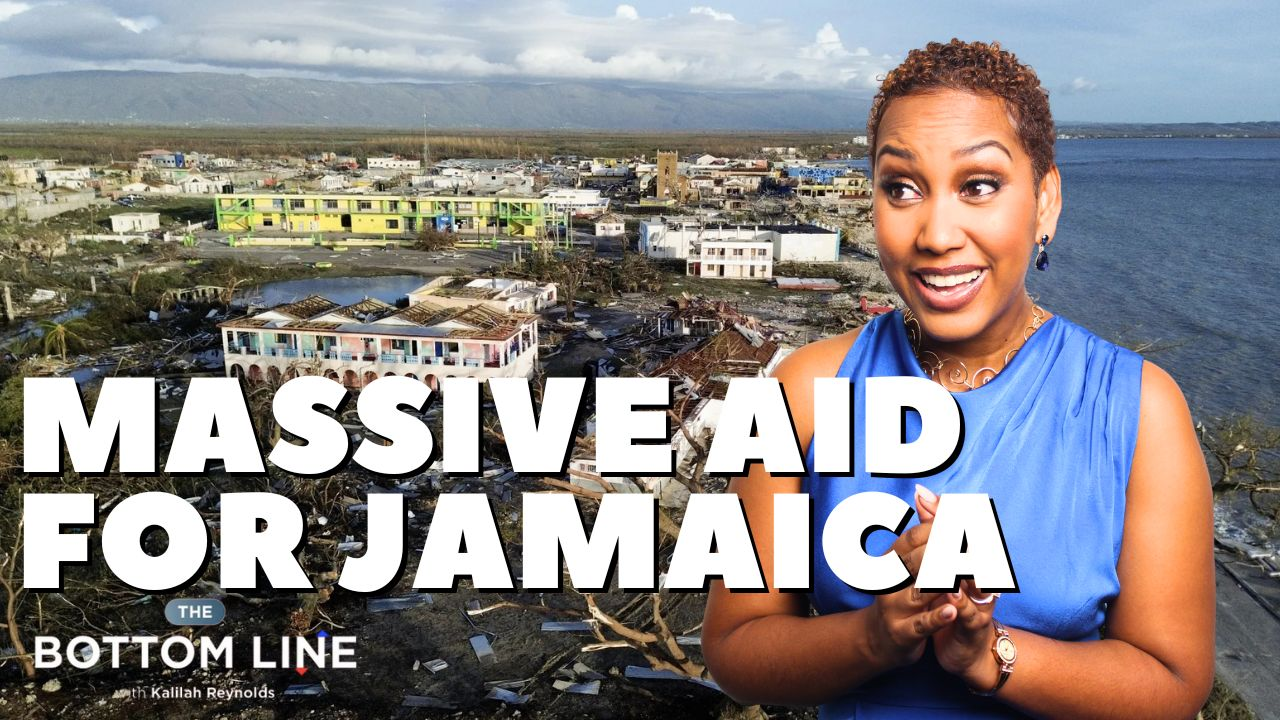
Some Jamaican companies are looking at real estate as a major investment, even if they aren't real estate companies. Why are they making this decision? And could this be a solution to the housing problems that Jamaica is facing?
Read the complete text of this episode for easy reference and search.
What do Barita, Seprod, King Alarm and Blue Mahoe have in common?
They aren’t traditional real estate companies, yet they are putting capital into real estate development.
The growing interest in property tells us something important about how Jamaican businesses are thinking about real estate: not simply as land and buildings, but as an asset class, a source of wealth and a strategic investment.
As a student of land economy, one number I have heard repeatedly is 15 thousand: roughly the number of new housing units Jamaica needs each year to keep pace with demand.
So when businesses outside traditional real estate invest in property, we should pay attention.
Some are responding to the housing shortage. Others see real estate as a way to diversify income and generate returns.
Different motivations, same market: Jamaica needs more housing.
Government investment in roads, utilities and other infrastructure has made areas more accessible and development ready. That public investment in turn unlocked land for private capital.
Government helps to prepare the ground. Private investors take the development risk. Ideally, Jamaicans get more homes.
But more housing does not automatically mean more affordable housing.
If investment concentrates on developments for people who can already afford property, it may not adequately address the affordability crisis.
So perhaps the question isn’t simply whether Jamaica’s property market is in a bubble.
It’s: what are these businesses seeing in Jamaican real estate that makes them willing to put their capital behind it?
When companies outside real estate begin treating property as a strategic asset, something is changing.
Real estate is becoming more than a place to live. It is becoming a vehicle for investment and wealth creation.
And if that capital can be directed toward the housing Jamaica actually needs, private investment could become part of the solution.
So Jamaica doesn’t just need more housing. It needs an ecosystem that makes housing investment possible.
The opportunity isn’t choosing between profit and solving the housing problem.
It’s creating a market where doing one helps achieve the other.
And that’s the Bottom Line.
So what do you think? Can institutional and corporate investment become a meaningful part of Jamaica’s housing solution, or will the pursuit of returns leave affordability behind?
August 21, 2026
More THE BOTTOM LINE Videos