



Jamaica’s 2026 Economic Outlook
Jamaica is expected to go through a rough stretch following Hurricane Melissa, as the storm’s massive damage pushes the country toward a period of weaker economic activity and rising prices in 2026.
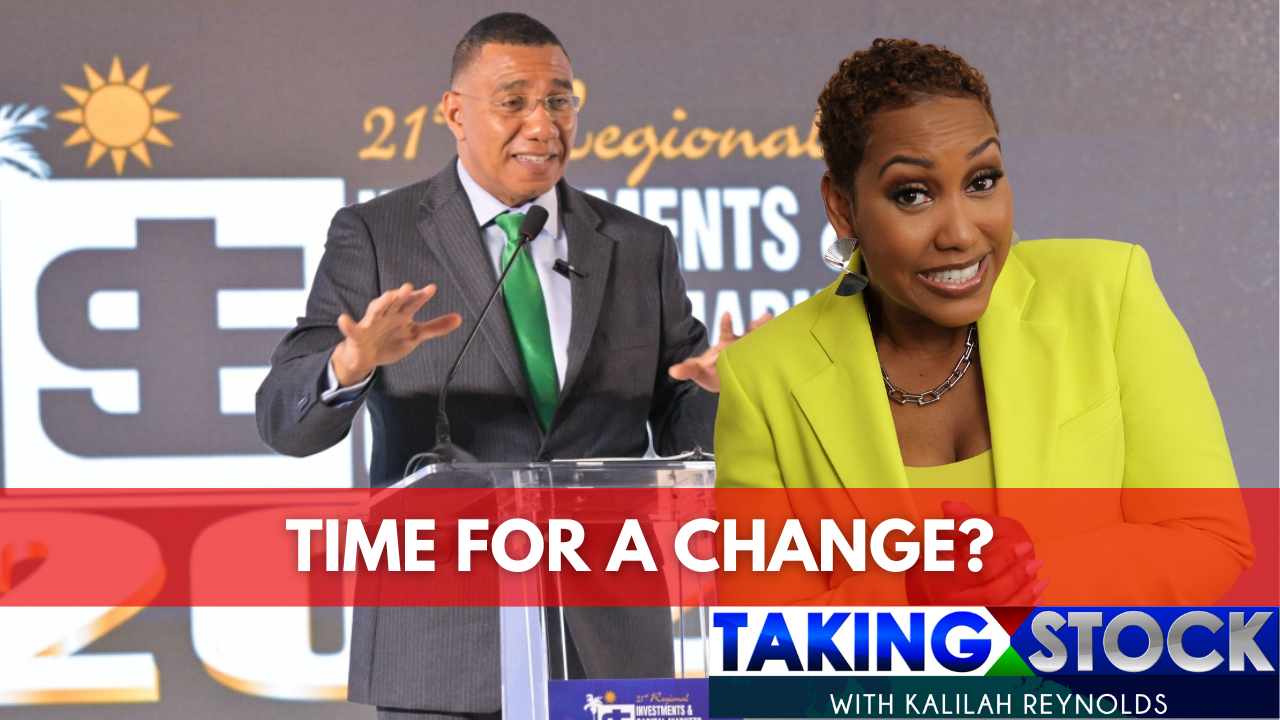
Speaking on Taking Stock with Kalilah Reynolds, Founder of Wealth Watch JA, Julian Morrison said that while a full recession is not guaranteed, the year ahead will feel difficult for households and businesses alike, with stagflation, which is low growth paired with higher inflation, now the most likely scenario.
Morrison said that the biggest shock is expected over the final quarter of 2025 and the first half of 2026.
Tourism and agriculture, two of Jamaica’s largest employers, suffered major setbacks, displacing workers and slowing the flow of money through communities that rely on seasonal jobs and farming.
Because the shortages are supply-driven, Morrison noted that the Bank of Jamaica has limited tools available.
Interest rate hikes can cool demand, but they cannot replace lost crops or rebuild damaged hotels. Morrison said that early modelling puts Jamaica’s damages at roughly 30 per cent of GDP, which is even higher than what the Bahamas experienced after Hurricane Dorian in 2019.
The goods-producing sector, including mining and manufacturing, could deepen the blow. With industries such as bauxite and limestone exposed to weather-related disruptions, Morrison said restoring commodity output must be a priority.
He also urged strong, immediate support for farmers and careful monitoring of water and electricity supplies to prevent health risks like rising mosquito-borne diseases.
Despite the near-term challenges, Morrison said investors should still take a long view. After periods of sharp decline, economies often experience what he calls “catch-up growth” as they rebuild.
He pointed to the Bahamas’ post-crisis rebound, which saw growth rates above eight per cent. Jamaica, which usually grows between one and two per cent a year, could see much stronger numbers during its own recovery phase.
As for the stock market outlook for 2026, Morrison expects pressure on company earnings but warns investors not to panic.
“Sometimes you look at numbers in a vacuum and say this year is so bad, I need to come out of the market,” he said. “Sometimes it’s a matter of repositioning. Investors need to extend their time horizon.”
He highlighted infrastructure stocks, such as highway operators, as examples of assets that can continue generating steady returns even when the broader economy slows. For him, the key is preparation, not retreat.
“Investors shouldn’t think there’s no money to be made,” Morrison added. “It’s about looking at the overall thesis and preparing for what is to come.”




Leave A Comment