



Jamaica’s economy resilient, says analyst
Jamaica’s economy is once again confronting the realities of life in a hurricane-prone region, with Hurricane Melissa striking shortly after the passage of Beryl.
Even with the widespread damage, particularly to agriculture, tourism hubs and essential services, the country’s financial system has shown a level of resilience built over years of reform and careful regulation.
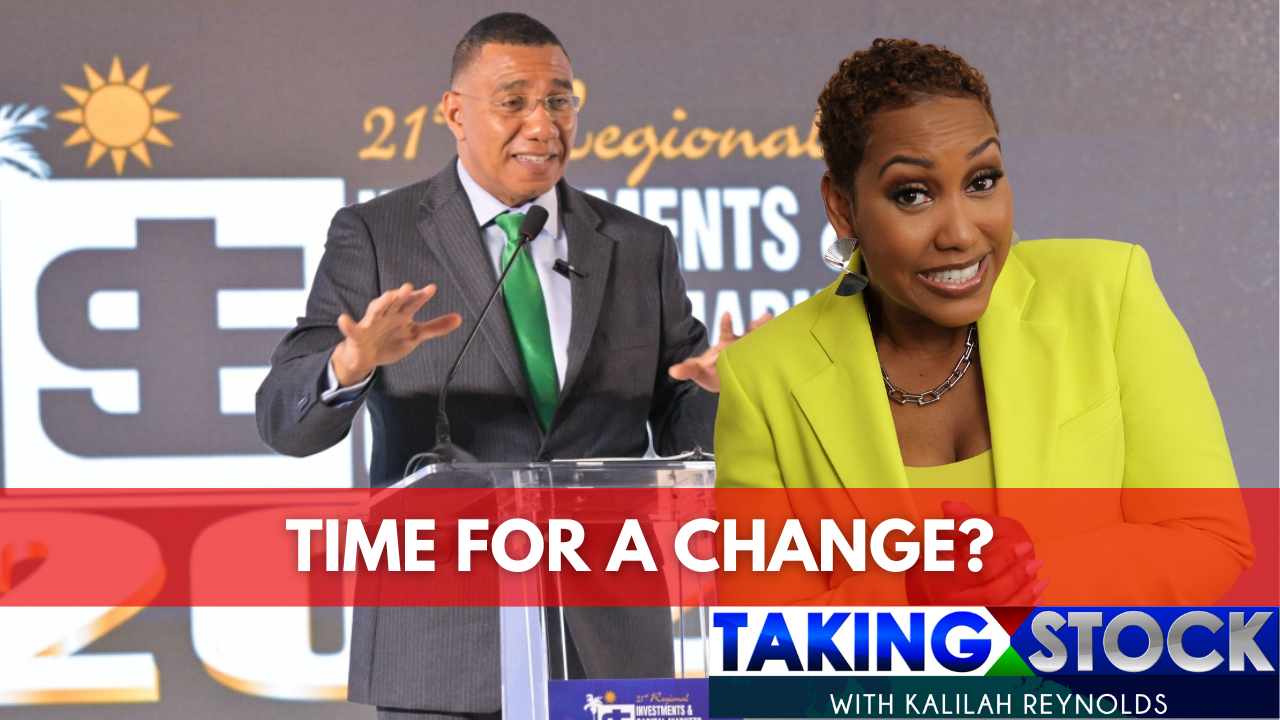
Speaking on Taking Stock with Kalilah Reynolds, Equity trader at JMMB, Clive Charlton, said he believes Jamaica entered this crisis from a position of relative strength.
He noted that the country’s monetary and regulatory structures have been shaped by years of steady oversight from the Bank of Jamaica (BOJ), which has pushed financial institutions to bolster efficiency, strengthen capital buffers and maintain robust systems that can withstand shocks.
“We have been in a space of stability for the last several years, fiscal and monetarily,” he said.
Part of that resilience comes from strong capital adequacy across the banking sector, healthy loan-loss provisions, and an improved technological infrastructure that keeps electronic transactions and cash access running, even in difficult circumstances. These measures ensure that, despite disruptions on the ground, people can still move money, access services and restart commercial activity quickly.
Charlton also highlighted that Jamaica’s major financial and commercial zones were spared the worst damage, allowing the banking and insurance sectors to function without severe interruption. Insurers, he pointed out, remain adequately capitalised and able to process significant claims in the months ahead. This capacity to absorb losses while supporting business continuity is a cornerstone of the country’s economic resilience.
While sectors such as tourism and agriculture will face short-term setbacks, Charlton expects a strong rebound over the medium term, similar to the post-COVID recovery.
Companies connected to construction and reconstruction are likely to see increased activity as rebuilding accelerates, helping to drive growth into 2026 and beyond. He also anticipates increased demand for capital, particularly debt, for businesses seeking to retool and rebuild.






Leave A Comment