



Would a Caribbean Stock Exchange work?
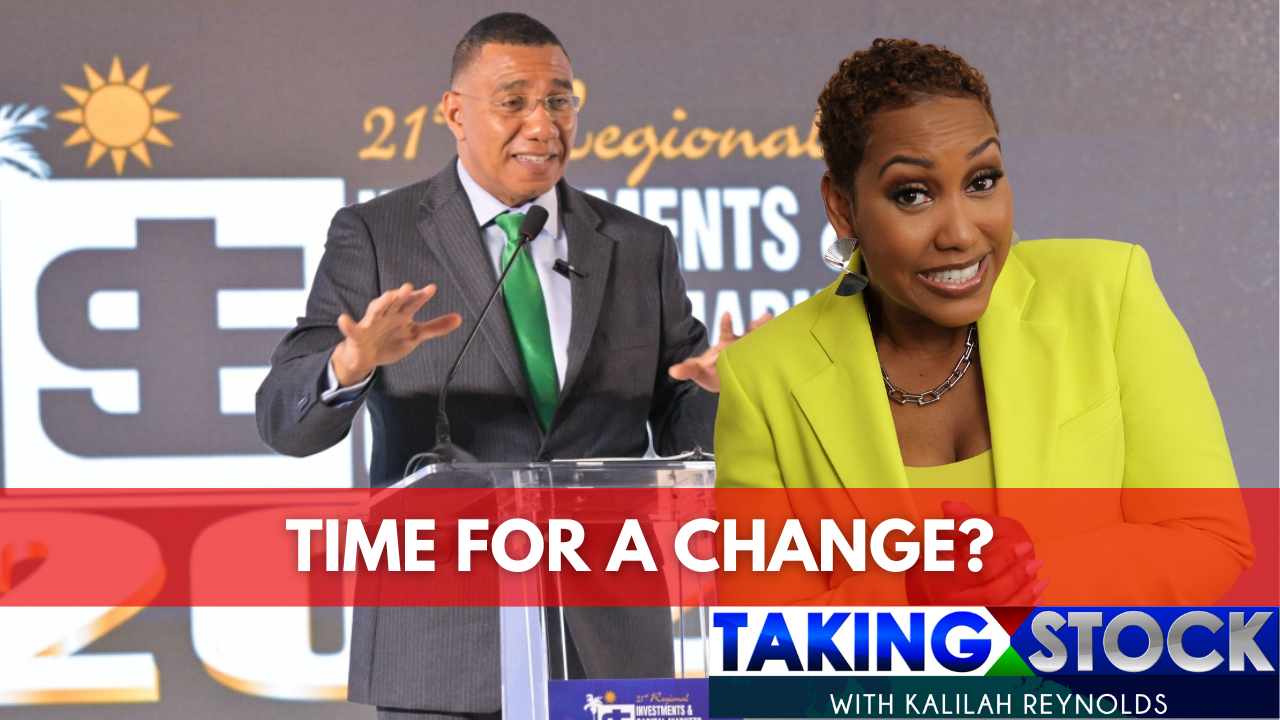
The Caribbean Private Sector Organisation, with the backing of CARICOM heads of government, has hired PricewaterhouseCoopers (PwC) to conduct a feasibility study to determine if a regional stock exchange could be viable.
A Caribbean Stock Exchange would see companies from Jamaica, Trinidad and Tobago, Barbados, the Eastern Caribbean, and other member states listing their shares on one exchange.
Investors would be able to buy and sell shares from companies across the region. A regional exchange would help businesses raise money from a bigger pool of investors, making it easier for companies to grow, and give ordinary people more ways to invest. It could also bring the region closer together, strengthening the Caribbean Single Market and Economy (CSME).
However, Taking Stock Analyst, David Rose, pointed out that there are several hurdles to clear first.
He explained that different countries have different currencies and settling times, so settling trades across borders could be tricky. For example, if an investor in Jamaica wanted to buy shares listed in Trinidad, there would need to be a smooth way to handle the currency exchange in the background. Right now, that’s not the case.
Regulations are also a problem. In Jamaica, companies can buy back shares quickly, but in Trinidad, the process can take months because of stricter rules. These differences slow things down and make it harder for companies that operate in more than one country. Efforts in the past to harmonise systems, like using the same trading software or aligning settlement times, have only gone so far.
There’s also the challenge of political will. Regional cooperation has failed before; without strong commitment from leaders, a regional stock exchange might never get off the ground.
Rose said it may be a better idea to improve the systems already have instead of trying to create one big exchange.
PwC’s study will look at all these issues and suggest ways forward. There’s no set timeline yet, but the findings could shape the future of investing in the Caribbean.





Leave A Comment