


BOJ Pushes for Wider JAM-DEX Adoption
The Bank of Jamaica (BOJ) is stepping up efforts to boost the use of its central bank digital currency, JAM-DEX, as it looks to make the digital payment option more practical for everyday transactions.
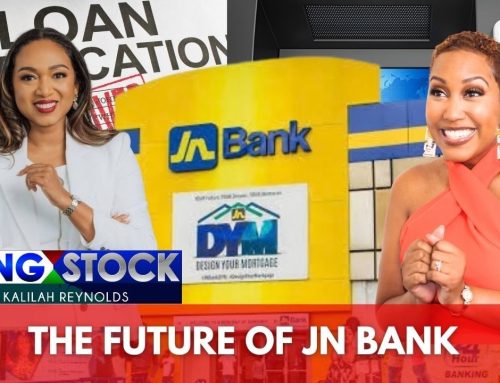
Speaking on Taking Stock with Kalilah Reynolds, BOJ Governor Richard Byles said that while person-to-person JAM-DEX transfers have been technically possible for two years, widespread adoption has stalled because businesses are unable to process payments.
“A lot of transactions for persons like you and I happen at businesses that use POS machines,” he explained. “Those need to be reconfigured to take the QR code of JAM-DEX, and we have been working with the banks to have that adjustment made.”
According to Byles, the central bank has been encouraging financial institutions to update their point-of-sale systems, even offering to help cover the cost of doing so.
The governor said the BOJ is “hopeful that we’ll make a breakthrough with them shortly,” but acknowledged that the banks have shown limited enthusiasm so far because JAM-DEX does not promise major profits.
To change that, the BOJ is now allowing banks to charge a small transaction fee for JAM-DEX payments, which is a significant shift from the original goal of keeping it entirely free.
Byles described this as a strategic compromise to incentivise cooperation. “There will be a transaction cost involved,” he confirmed, though the exact rate has not yet been finalised.
He emphasised that the digital currency still offers clear long-term benefits for both banks and consumers by reducing the country’s heavy reliance on cash.
“A lot of the challenges that the banks have has to do with cash; cash at ATMs, cash over the counters, moving cash around, protecting cash,” he said. “That is what JAM-DEX will help to address by reducing the demand for cash in the economy.”
The BOJ’s push comes amid wider efforts to modernise Jamaica’s financial system and promote financial inclusion.

Taking Stock — Wigton’s $4 Billion Ambition
TAKING STOCK · EPISODE 339 · OCTOBER 20, 2026Wigton’s $4 Billion AmbitionDavid Rose discusses Wigton Energy’s expansion plans and the uncertainty holding up its solar projects. Plus
Taking Stock — Is Kingston’s Real Estate Market Finally Turning?
Gary Matalon and Ryan Taylor examine Kingston's property market, while JMMB's Kerry-Ann Stimpson shares low-cost marketing strategies.






Leave A Comment