
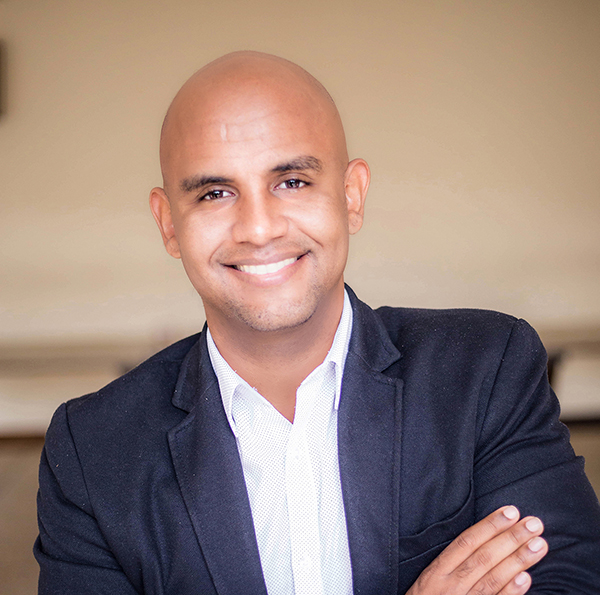
Caribbean business leaders need to take a more active role in adopting artificial intelligence, moving beyond experimentation to using the technology to improve operations and reach new customers, says Tech Beach Retreat co-founder Kirk-Anthony Hamilton.
Speaking on Money Media’s Taking Stock, Hamilton challenged the tendency among some regional executives to distance themselves from technology.
The familiar response, “I’m not a techie,” is becoming increasingly difficult to justify in a leadership position, he argued. As AI becomes more deeply integrated into business, executives in both the private and public sectors need to understand how it can change the organisations they lead.
That does not mean every CEO needs to become a programmer. Hamilton’s emphasis was on learning how the available platforms work, identifying useful applications and putting them into practice.
Training needs to become practical
Hamilton said the transition will require retraining, but questioned whether traditional approaches to staff development are sufficient.
“We’re in an execution era,” he said.
Rather than relying primarily on presentations and classroom exercises, he argued that employees need access to the technology, opportunities to experiment and guidance on using it effectively.
That could include access to paid subscriptions where more advanced capabilities are required. The objective should be practical results: helping people improve their work and build systems that benefit their organisations.
Host Kalilah Enriquez Reynolds described her own progression from using AI for research and scriptwriting to building websites and a platform to manage Money Media’s operations.
Hamilton said that kind of exploration demonstrates how the technology can help people move from an idea to something they can use.
He also stressed that users should check AI-generated work rather than accepting its output without review.
The opportunity goes beyond digitising paperwork
For Hamilton, the region’s ambition should extend beyond making existing processes digital.
He argued that businesses should use technology to expand their reach, reconsider who their customers could be and develop new ways to serve them.
Simply converting a paper process into a digital version while delivering the same result can leave much of the opportunity unexplored.
Hamilton warned that the Caribbean had already missed opportunities during earlier waves of technology-driven wealth creation. He urged regional entrepreneurs to focus on creating products and businesses with AI, alongside using tools developed elsewhere.
His message was that adoption should lead to new commercial opportunities, including solutions that Caribbean people can build and earn from.
Jobs and productivity
Asked about the threat to employment, Hamilton emphasised productivity and the need for workers to develop skills that businesses value.
He argued that companies are looking for people who can perform and deliver results, and that employees should consider how technology can strengthen their contribution.
The discussion also highlighted concerns about displacement. Hamilton’s response centred on adapting to the technology and improving performance, rather than assuming the workplace will remain unchanged.
A Caribbean Claude Impact Lab
Hamilton said the upcoming Tech Beach Retreat would include a Claude Impact Lab focused on Caribbean challenges.
He described plans for approximately 50 participants to work in teams, using the platform to develop solutions. The initiative would also involve a process to select ambassadors from across the Caribbean.
The lab’s emphasis, he said, would be openness, exploration and practical engagement with the technology.
Hamilton said Tech Beach’s tenth-anniversary event was scheduled for December 2–5, bringing together participants from the regional and global technology ecosystems. He also described EY as a planning partner for the conference.
AI infrastructure brings another investment conversation
The discussion extended to the infrastructure supporting AI, including data centres and electricity generation.
Hamilton said the growth of AI was drawing a different profile of investor into energy, including venture capital funds looking to support the computing infrastructure their investments require.
For Jamaica and the wider Caribbean, he argued, that could create new investment conversations. He also noted that regional data-centre projects do not necessarily need to resemble the enormous campuses attracting attention internationally.
On data privacy, Hamilton called for a more deliberate discussion about which information needs protection and why.
His broader message to Caribbean leaders was to engage with the technology, understand its implications and explore where it can create value.
Watch the full discussion with Kirk-Anthony Hamilton on Taking Stock.








Leave A Comment